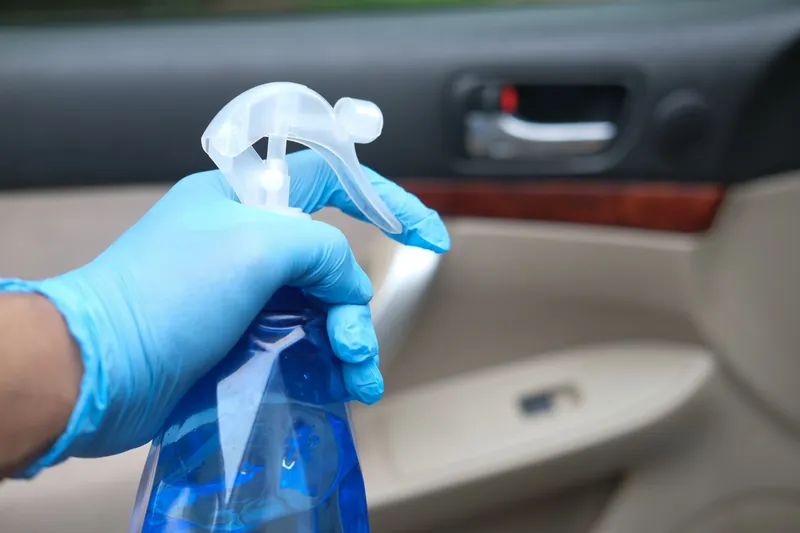
Police and Ambulance Vehicle Decontamination
Police vehicles, ambulances and other transport vehicles receive decontamination.
See police and ambulance vehicle decontaminationGet blood, bodily fluids, waste and odor removed from a car, truck, RV or boat in Walden Ridge. Vehicle biohazard remediation reaches hidden contamination in seats, carpet, trim and the air system.
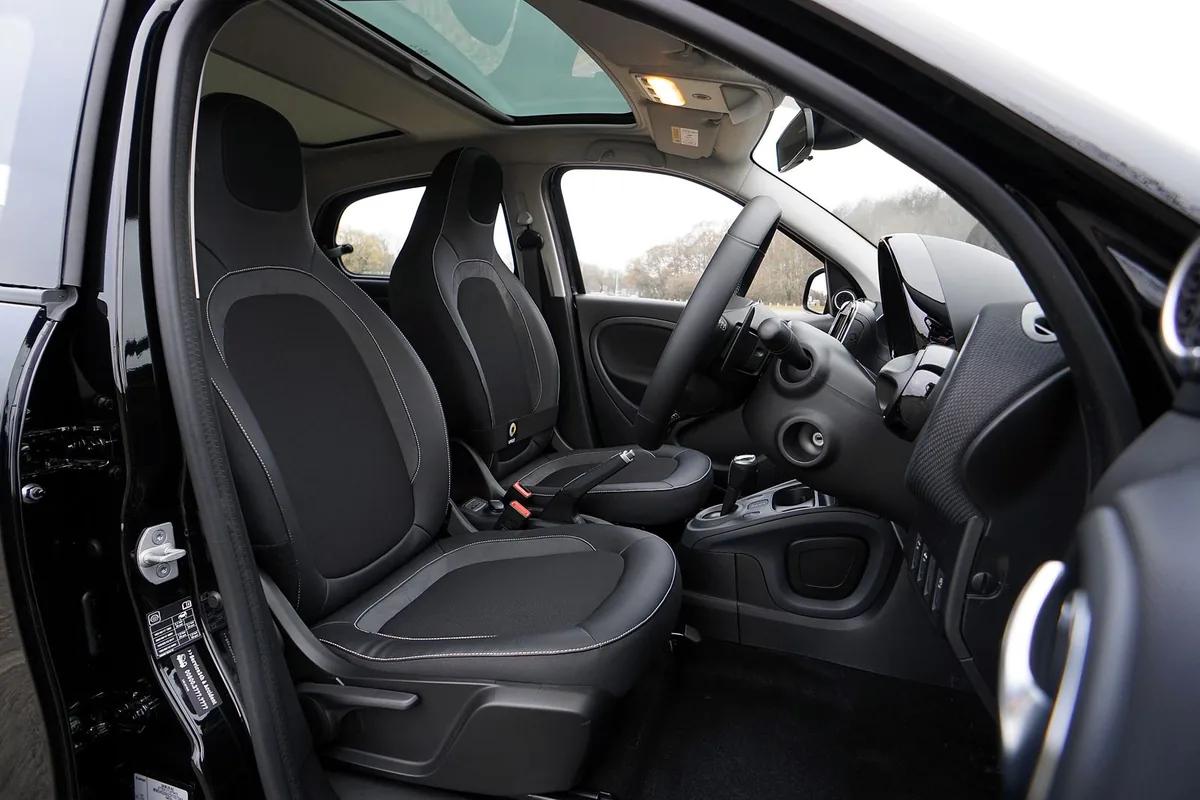
Vehicle biohazard cleanup carefully takes blood, human or animal waste, bodily fluids and other affected materials out of cars, trucks, boats, RVs and fleet units. Cleaning, disinfecting and odor treatment follow that removal.
What appears on top of a vehicle interior may not show the full affected area. A spill can penetrate the seat covering, soak the foam, travel below carpet and gather near clips or wiring passages. Moving air may draw odor toward vents or into a cabin filter. Unlike appearance-focused detailing, biohazard remediation tracks where contamination went and considers the areas around it.
Cleanup starts with a controlled inspection and suitable protective gear. Materials that cannot be completely disinfected are removed, surfaces receive detailed cleaning, and hazardous waste is disposed of. An EPA-registered disinfectant remains wet for all of the contact time listed on its label. You then have a clear distinction between interior pieces that may remain and those requiring removal.
Documentation for your property owner, fleet records or insurance company can include images, the cleaning scope and details of materials taken out.
Calls receive an answer around the clock, while unmarked vehicles help crews arrive discreetly. Your circumstances can be discussed confidentially, giving you space to choose what happens next.
You help decide how paperwork, equipment and personal items are separated. Items are not treated as waste simply because they were inside the vehicle.
Learn about the vehicle inspection process before you select a cleanup company. The explanation should cover inspection findings, parts that can remain, materials requiring removal and cost factors, giving you the details needed to move forward.
Biohazard cleaning may be needed when contamination is more than a minor spot that you could safely wipe from a hard surface. Although each event differs, the following situations are common reasons to leave the vehicle shut and request an inspection:
An injury, medical event or accident can leave fluid on a seat, door panel, console, carpet or cargo area. Padding underneath may be affected even when little is visible.
Drug items and needles can expose you to puncture injuries and contamination. Keep your hands out of door compartments and spaces under seats because hidden sharps may be present.
A documented cleaning process may be needed before taxis, rideshare cars, commercial trucks or emergency response vehicles go back into service.
Waste from illness, incontinence or prolonged occupancy, including urine, vomit and feces, can soak into seams or porous vehicle materials that ordinary cleaning misses.
Begin by reducing contact and preventing affected material from traveling farther inside the vehicle. Before cleanup technicians examine it, use these precautions:
Call (888) 440-9227The published range for vehicle biohazard cleanup is $500 to $5,000. The final cost depends on the interior materials, how serious the event was, the time since it happened and whether the air system needs decontamination. An inspection is needed because contamination beneath a seat or carpet may not be visible from the door.
Published national cost guides are the source for these ranges, rather than an inspection of your property. You learn what your property will cost after the on-site assessment and before any work begins.
Ask about cost: (888) 440-9227Auto insurance may cover vehicle biohazard cleanup when the cause is covered by your policy, but coverage, deductibles and documentation requirements vary. Ask your insurance company before authorizing work when circumstances allow.
Without entering or changing the car, explain what occurred to the claims adjuster. Ask the insurer whether your policy covers cleaning, towing, restoration and removal of affected interior components.
Retain the claim number along with photographs, cleanup details, disposal records and a removal inventory. Check with your claims adjuster prior to disposing of damaged items that could require examination.
Victims of violent crime can ask the North Carolina Department of Public Safety's Office of Victim Compensation Services about crime scene cleanup, which the program lists among accepted expenses. Insurance is usually checked first.
Typically, the fleet manager or vehicle owner opens the claim and authorizes entry. Commercial policies may have different limits, exclusions and record requirements.
Each stage of vehicle biohazard remediation is ordered to prevent affected material from moving around the cabin. Decisions throughout the process depend on the event itself, the length of time after exposure and the types of interior material.
Cleanup technicians inspect the vehicle cabin, trunk, cargo area, flooring, seat seams and air intakes that can be seen. Photos record the starting condition and help define the work.
Public access is restricted around both the work area and vehicle. Protective equipment includes gloves, suitable clothing, eye protection and other items chosen for the type of exposure.
Belongings are separated into items that appear unaffected, items that may be cleaned and contaminated materials that require your decision or disposal.
Removal applies only when contamination enters seat covers, foam, carpeting, padding, headliner or trim that cannot undergo complete disinfection.
Hard surfaces are cleaned before an EPA-registered disinfectant is applied. The treated area remains visibly wet throughout the label's required contact period.
Possible odor or contamination within climate components calls for checking the cabin filter, vents and air inlet. The primary task is still source removal.
Packaging and disposal of removed items follow the regulations for that type of waste. Documentation may be useful for fleet records or an insurance claim.
A final visual inspection covers affected areas and surrounding areas, helping find contaminated material that might otherwise be left behind. You are informed about all completed cleaning and removal, along with restoration services that may still be necessary.
Call at any time. You speak with a vehicle biohazard cleanup specialist who outlines the process and schedules a start time with you.
Inside the confined space of a vehicle, hidden sharps, body fluids, blood and waste may present significant health hazards.
A hot, enclosed cabin can concentrate unpleasant odor. Odor may enter the vents or cabin filter if the air system operates while the source remains.
A needle can hide beneath a seat, inside a pocket or among personal property. An exposure can occur when someone searches inside the car without puncture-resistant tools.
Hepatitis B, hepatitis C and HIV may be present in blood. The CDC says hepatitis B can survive on surfaces for at least seven days, so dried material still deserves careful treatment.
Can you clean it yourself? For a small number of fresh drops on a hard and non-porous area, wear gloves and apply an EPA-registered disinfectant for all of the contact time listed on its label. If fluid reached a seam, fabric, foam, carpet, headliner or vent, or if a sharp object is present, keep out and seek professional cleanup.
Whether an interior part stays depends on material and access. Non-porous pieces may remain if there is access to clean and disinfect every side. Affected porous material may require removal after a spill soaks in.
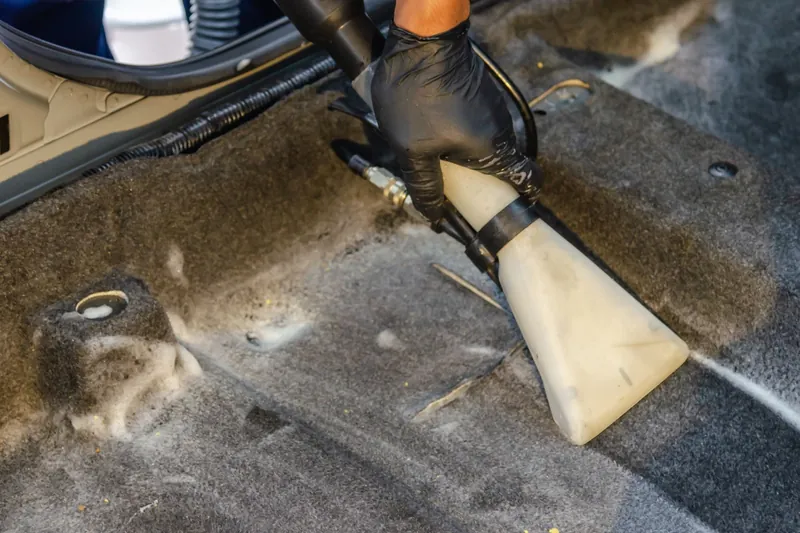
The duration of vehicle biohazard cleaning is established once the inspection is complete. A small hard-surface job needs less time than one involving carpet or seat removal, checks inside vents, repeat treatments or replacement components.
| Scene | Typical time on site |
|---|---|
| Limited hard-surface contamination | Schedule determined once the affected area has been examined |
| Affected cargo section, vehicle carpet or seats | Interior material removal extends the cleanup schedule |
| Widespread contamination or air-system work | The timeline varies with drying, entry to affected areas and repair needs |
The source of contamination must be located and removed before vehicle odor can be addressed. Surface shampoo, added fragrance or an air freshener might disguise the smell for a while, yet none can clean fluid from a cabin filter, insulation, carpet padding or foam under a seat cover.
Once the source is gone, accessible surfaces undergo cleaning and disinfection. When odor has moved through the climate system, the vents, air intake and cabin filter can be checked. Air treatment can assist with cleaning, but affected porous items still need removal. Leave the fan turned off until both the source and its path through the air system are assessed.
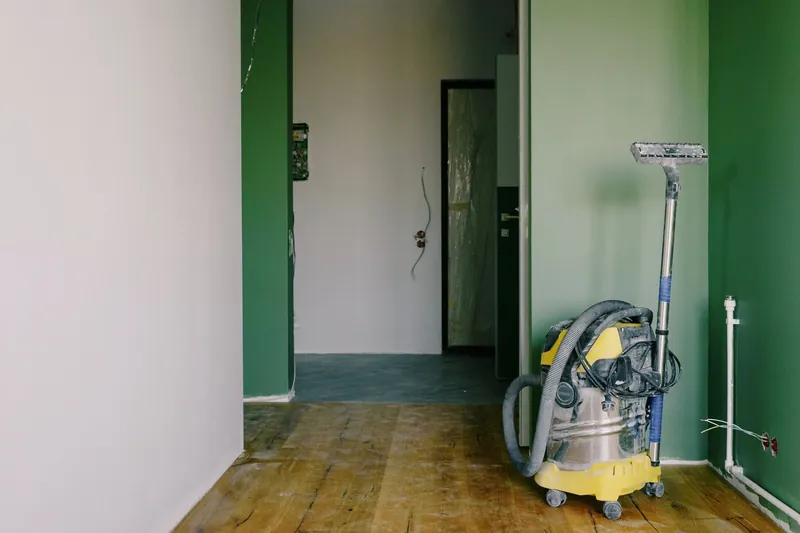
The full vehicle biohazard cleanup guide covers what is cleaned or removed, odor and air quality work, and the rules that apply in Mecklenburg County and North Carolina.
Read the full vehicle biohazard cleanup guideLocal population patterns, housing and site access may affect how containment and cleanup are planned.
The nearest listed emergency facility is Novant Health Huntersville Medical Center, about 3.0 miles away, so medical care remains separate from property cleanup.
Walden Ridge is near Northlake, The Murray, and Wedgewood North, which can matter when family members are arriving from surrounding communities.
Because this is a neighborhood within Charlotte, cleanup access may depend on local parking, common entrances, or building management rules.
Ask on the call about cleanup options for neighboring communities and ZIP codes.
Police vehicles, ambulances and other transport vehicles receive decontamination.
See police and ambulance vehicle decontamination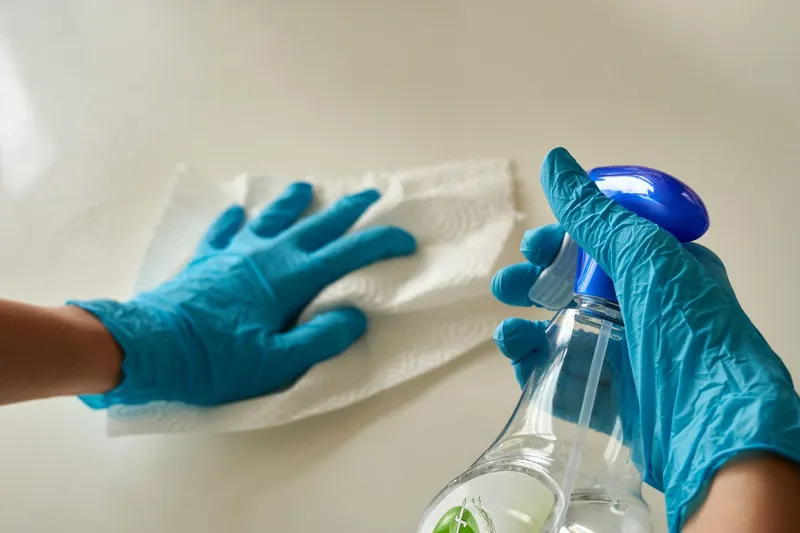
Blood cleanup clears blood from furniture, walls, hard floors and carpet, followed by safe disposal.
See blood cleanup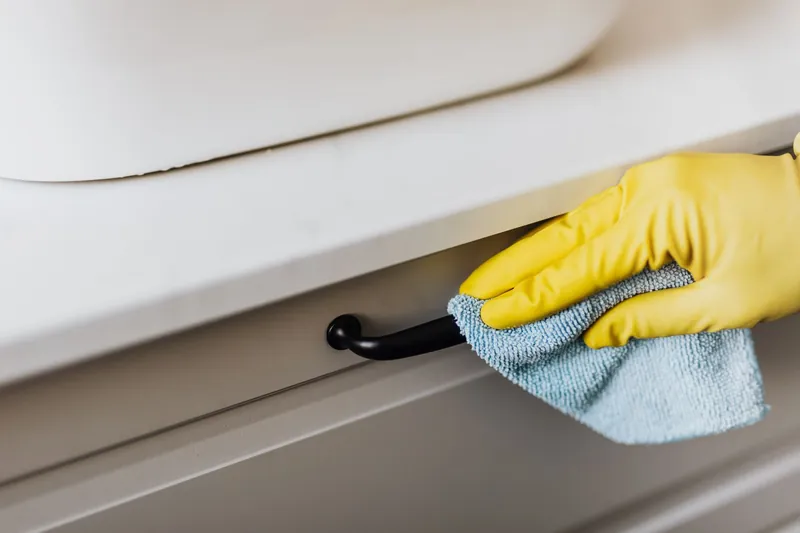
Homes, care environments and businesses receive bodily fluid cleanup and disinfection.
See bodily fluid cleanup
Cleanup treats biohazards on upholstery and carpeting, or removes affected materials safely when needed.
See biohazard carpet and upholstery cleaning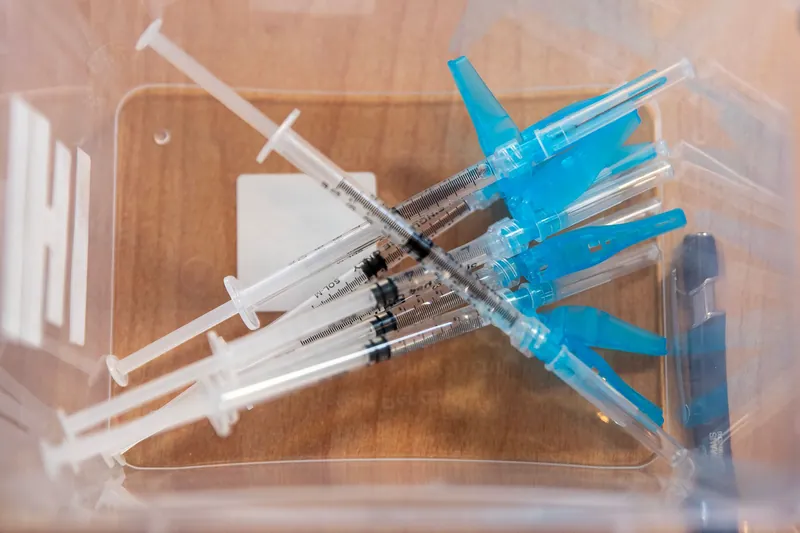
Needles and other sharps are removed from rentals, yards, encampments and parks.
See needle and sharps cleanup
Trauma scene cleanup after accidents, injuries and violent events.
See trauma scene cleanup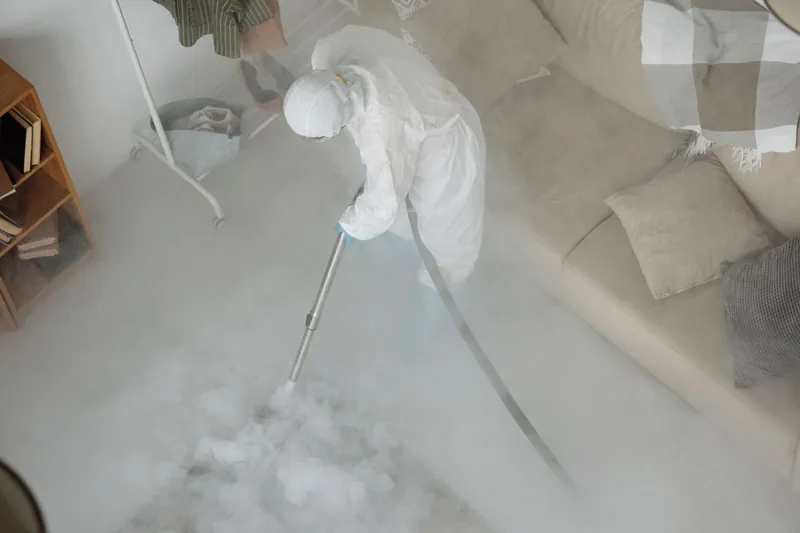
After exposure to infectious or hazardous material, the air, room and surfaces are fully decontaminated.
See biohazard decontamination
Biohazard waste pickup and disposal in sealed, labeled containers.
See biohazard waste disposalKeep the fan and air conditioner off until the source and air path are inspected. Odor can spread across the vent system or enter the cabin filter when air moves. Unless ventilation is essential for current safety, keep the door closed and remain outside. Address odor after removing its source, completing detailed cleanup and performing necessary work on filters or vents.
First, keep people out and inspect where the material traveled. The cleaning process then separates personal property, removes porous parts that cannot be disinfected, cleans hard surfaces and applies an EPA-registered disinfectant for its full contact time. Before the interior receives its final check, workers examine odor sources, ventilation openings and the cabin filter.
Vehicle property is sorted before cleanup. Workers may set apart objects from outside the affected area and clean washable items with solid surfaces. Porous belongings exposed to fluid may not be recoverable. Avoid feeling beneath seating, inside compartments or among unsecured items whenever a hidden needle or sharp object is possible.
Safety depends on whether the full affected area was found and whether contaminated porous materials were removed or successfully treated. Get a clear record of cleaning and removal, including confirmation about inspection of vents or the cabin air filter. Prospective buyers should read the full record and think about getting an independent vehicle assessment.
Biohazard damage means blood, bodily fluids, waste or related contamination affected the vehicle. Damage may include staining, odor and material that cannot be safely kept, such as soaked seat foam or carpet padding. You cannot treat it as routine dirt. It is not necessarily chemical contamination, which can need a distinct hazardous-material evaluation.
The range is $500 to $5,000, based on the Biohazard Cleanup Cost Guide (2026) from BioCleaners Directory. The final cost changes with the interior materials, severity, elapsed time and need for climate-system decontamination. A door-side view may miss contamination under carpet or inside a seat, so an inspection is necessary.
Discreet, respectful vehicle biohazard cleanup, 24 hours a day, with crews in unmarked vehicles.